Electricity remains one of the biggest challenges for homes and businesses across Nigeria. Whether you live in Abuja, Lagos, Port Harcourt, Kebbi, or another part of the country, dependable power is essential for daily life, business operations, healthcare, education, and productivity.
For years, fuel generators have been the default backup power source. However, rising fuel prices, increasing maintenance costs, and environmental concerns have encouraged many Nigerians to consider solar energy as a long-term alternative.
So, which option is actually cheaper in Nigeria—generator or solar?
In this guide, we compare installation costs, daily operating expenses, maintenance, reliability, environmental impact, and long-term value to help you make an informed decision in 2026.
Generator vs Solar in Nigeria: Understanding the Difference
When comparing power solutions, it’s important to understand how each system works.
A generator converts fuel into electricity using an internal combustion engine. It requires continuous fuel, regular servicing, engine oil changes, and replacement parts.
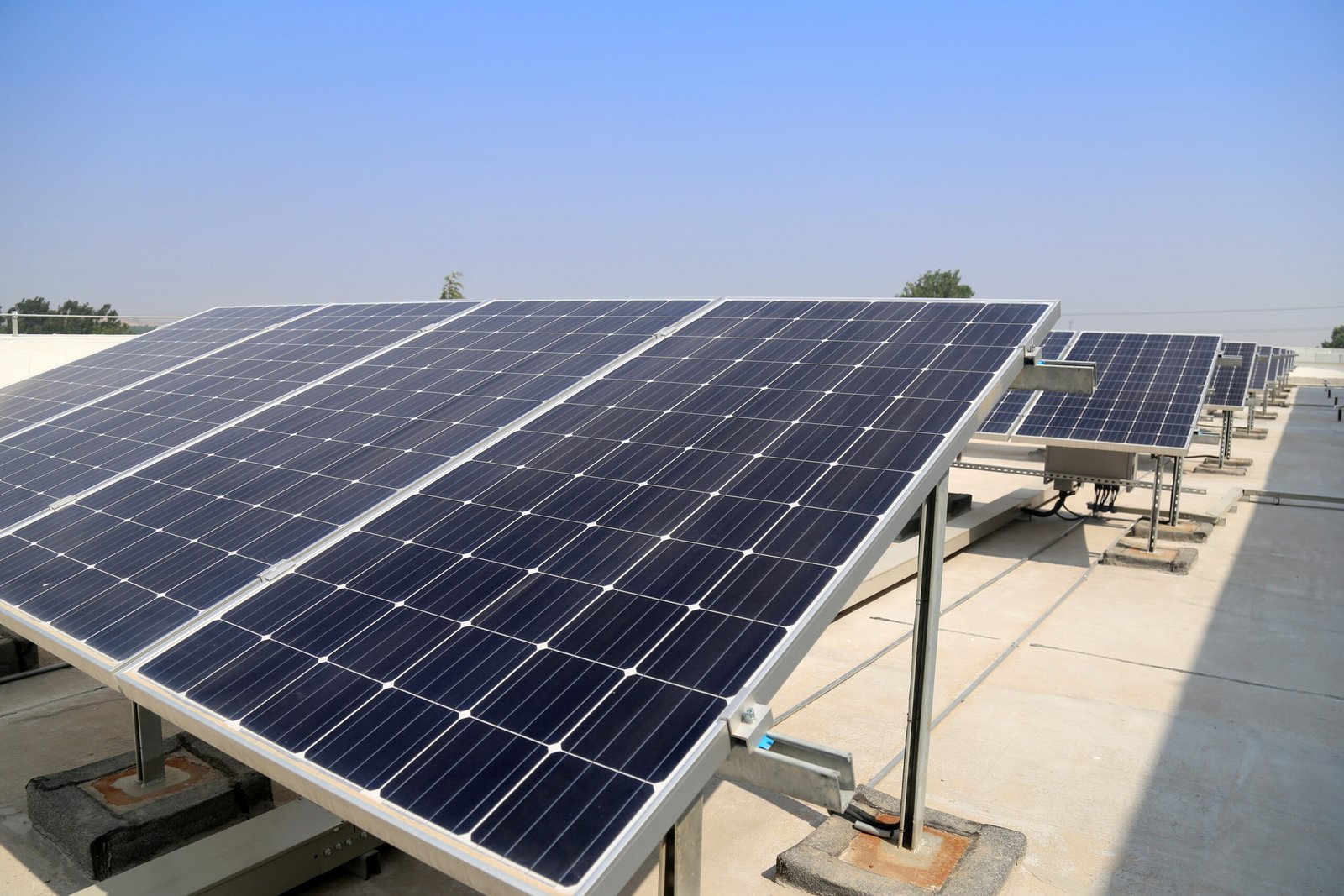
A solar power system captures sunlight through photovoltaic (PV) panels, stores energy in batteries, and supplies electricity through an inverter. Once installed, sunlight becomes your primary energy source.
The biggest difference is simple:
- Generators consume fuel every day.
- Solar systems use free sunlight every day.
This difference significantly affects long-term ownership costs.
Why Nigerians Are Switching to Solar
Across Nigeria, more homeowners and business owners are investing in solar because they want predictable energy costs.
Common reasons include:
- High petrol and diesel prices
- Frequent grid outages
- Generator noise
- Rising maintenance expenses
- Better battery technology
- Lower lifetime energy costs
- Increased property value
- Cleaner energy production
Businesses especially benefit because uninterrupted electricity directly improves productivity and customer satisfaction.
Solar vs Generator Cost Nigeria
One of the biggest questions people ask is:
Which costs more?
Generator
Initial purchase cost is usually lower.
However, ongoing expenses include:
- Fuel
- Engine oil
- Filters
- Spark plugs
- Repairs
- Technician visits
- Replacement after years of use
These recurring expenses continue throughout the life of the generator.
Solar
Solar systems require a larger upfront investment.
Installation typically includes:
- Solar panels
- Hybrid or off-grid inverter
- Lithium battery storage
- Mounting system
- Protection equipment
- Professional installation
After installation, operating costs are significantly lower because sunlight is free.
Generator Running Cost vs Solar Nigeria
The real comparison isn’t just the purchase price.
It’s the cost of ownership.
A generator continuously consumes fuel every time it runs.
Daily operating expenses often include:
- Petrol or diesel
- Regular servicing
- Oil replacement
- Mechanical repairs
- Noise management
- Engine maintenance
Solar systems require very little routine maintenance.
Typical maintenance involves:
- Cleaning solar panels
- Occasional inspections
- Battery monitoring
- System software updates (where applicable)
For most homes and businesses, annual maintenance costs for solar are much lower than the annual fuel and maintenance costs of generators.
Is Solar Cheaper Than Generator in Nigeria?
For short-term use, generators often appear more affordable because of the lower purchase price.
However, over several years, solar generally becomes the more economical option.
Reasons include:
- No daily fuel purchases
- Lower maintenance
- Longer equipment lifespan
- Stable energy costs
- Reduced dependence on fuel price increases
For many Nigerian homeowners and businesses, solar offers lower lifetime operating costs.
Cost Comparison: Generator vs Solar
| Factor | Generator | Solar System |
| Initial Investment | Lower | Higher |
| Fuel Cost | High | None |
| Maintenance | Frequent | Low |
| Operating Cost | High | Low |
| Noise | Loud | Silent |
| Emissions | High | Zero during operation |
| Reliability | Depends on fuel | Depends on sunlight and battery |
| Long-Term Savings | Limited | Excellent |
Best Alternative to Generator in Nigeria
Solar has become one of the best alternatives to generators for several reasons.
For Homes
Families benefit from:
- Quiet operation
- Reduced electricity expenses
- Reliable nighttime power with batteries
- Improved home comfort
- Minimal maintenance
For Businesses
Businesses gain:
- Lower operating costs
- Reduced downtime
- Better customer experience
- Continuous operations
- Protection against fuel shortages
Businesses in Lagos, Abuja, Port Harcourt, and other commercial hubs increasingly use solar to stabilize operating costs.
Solar Installation Company Nigeria: Why Professional Installation Matters
A quality solar system depends on more than just equipment.
Professional installation ensures:
- Correct system sizing
- Proper battery capacity
- High-quality wiring
- Safety compliance
- Maximum energy production
- Long-term reliability
Choosing an experienced Solar Installation Company Nigeria helps avoid common issues such as undersized systems, poor battery performance, and inefficient installations.
Generator Challenges in Nigeria
Many Nigerians continue to rely on generators, but they face several challenges.
These include:
- Rising fuel prices
- Engine breakdowns
- Noise pollution
- Air pollution
- High servicing costs
- Fuel availability
- Limited operating hours
These recurring issues make long-term ownership increasingly expensive.
Benefits of Solar Energy in Nigeria
Solar continues to grow because it offers several advantages.
Lower Electricity Costs
Once installed, solar significantly reduces dependence on expensive fuel.
Clean Energy
Solar produces electricity without smoke or harmful emissions.
Silent Operation
Unlike generators, solar systems operate quietly.
Reliable Power
Battery storage provides electricity during grid outages.
Increased Property Value
Homes and commercial buildings with professionally installed solar systems often become more attractive to buyers.
Solar for Homes in Abuja
Abuja experiences strong solar potential throughout much of the year.
Homeowners are increasingly installing rooftop solar systems to reduce dependence on generators while improving daily comfort and lowering long-term electricity expenses.
Solar Solutions for Businesses in Lagos
Lagos businesses rely heavily on continuous electricity.
Retail stores, offices, restaurants, warehouses, and commercial buildings use solar to reduce operational costs while improving reliability for customers and employees.
Solar Power in Port Harcourt
Businesses in Port Harcourt increasingly seek dependable energy solutions that reduce operating expenses.
Hybrid solar systems provide stable electricity while minimizing generator use.
Growing Solar Adoption in Kebbi
Kebbi continues to see growing interest in renewable energy.
Agricultural operations, schools, healthcare facilities, and residential properties benefit from dependable solar systems that reduce fuel dependency.
When Does a Generator Still Make Sense?
Generators remain useful for:
- Emergency backup
- Temporary construction sites
- Short-term projects
- Areas without immediate solar installation
However, many Nigerians now combine generators with solar systems to reduce fuel consumption while maintaining backup power.
Choosing the Right Solar System
Every property has different electricity requirements.
Factors include:
- Daily energy usage
- Number of appliances
- Battery backup requirements
- Future expansion
- Roof space
- Budget
A professional assessment helps determine the ideal system size.
Frequently Asked Questions
Is solar cheaper than a generator in Nigeria?
Over the long term, solar generally costs less because there are no ongoing fuel expenses and maintenance requirements are significantly lower.
How long does a solar system last?
Quality solar panels can operate efficiently for more than 25 years, while modern lithium batteries and inverters provide many years of dependable performance with proper maintenance.
Can solar power run an entire home?
Yes. Properly designed solar systems can power most residential properties, depending on energy consumption and battery capacity.
Can businesses rely on solar?
Absolutely. Many Nigerian businesses use hybrid solar systems to maintain operations during power outages while reducing generator fuel expenses.
Why More Nigerians Are Investing in Solar
As electricity costs continue to rise, solar has become a practical long-term investment for households and businesses across Nigeria.
Instead of paying for fuel every day, property owners invest once in a professionally designed solar system that delivers dependable energy for years.
For many homes and businesses in Abuja, Lagos, Port Harcourt, and Kebbi, solar is no longer just an environmentally friendly option—it’s a smart financial decision.
Ready to Reduce Your Energy Costs?
At GoSolarMart, we help homeowners, businesses, commercial facilities, and institutions across Nigeria find dependable solar solutions tailored to their energy needs.
Whether you’re comparing Generator vs Solar in Nigeria, planning your first installation, or upgrading an existing power system, our experienced team can recommend the right solution for your property and budget.
Contact GoSolarMart today to request a consultation and discover how a professionally designed solar system can help you reduce fuel expenses, improve energy reliability, and power your home or business with confidence.